Score Big on Bulk Ammo Without Breaking the Bank
Discount ammo can cut your shooting costs by up to 50% without sacrificing a single round’s reliability. It works by selling overstock, factory seconds, or bulk-packed cartridges directly to you, bypassing fancy packaging and middlemen. Buying in bulk from discount ammo suppliers means you stock up for less, shoot more often, and still hit the same targets with the same power. Just check the lot numbers and store it dry, and you’ll get premium performance at a fraction of the price.
How to Spot Genuine Savings Without Sacrificing Performance
Genuine savings on discount ammo appear when you compare the *cost per round* against its known ballistic reputation, not the sticker price. Look for factory seconds or overruns from reputable manufacturers—these are often identical to premium lines, with only cosmetic blemishes, so performance remains unchanged. Check the lot number and seek out independent chronograph data or gel test results for that exact SKU; if it matches your standard carry or match load, the discount is real. Avoid mystery remanufactured rounds with unknown brass or primers, as these compromise reliability to save pennies. Focus on bulk purchases of proven, boxer-primed brass cases from names like Federal or Speer; their economy lines still hold tight tolerances. Verify the velocity consistency via reviews from competitive shooters, since extreme spreads eat accuracy faster than any savings help. A discounted round that fails to cycle your firearm is not a bargain—it’s a wasted range trip. Ultimately, trust your own grouping at 25 yards: if the hole pattern mirrors your premium load, you’ve found true value.
What Actually Makes a Price “Discount” vs. a Marketing Gimmick
A genuine price discount on ammunition means the per-round cost drops below the established market average for that exact load, bullet weight, and primer type, without altering the cartridge’s listed ballistic performance. A marketing gimmick, by contrast, inflates the “regular” price before the sale, repackages older stock, or swaps components like a steel case or bi-metal jacket while keeping the same product name. You can confirm a real discount by comparing the current price against three or four major retailers’ historical averages for the identical SKU—not the store’s own crossed-out tag. Also, check lot numbers and muzzle velocity specs; specialty sports & supply if the velocity is lower or the projectile type is softer, it’s a repackaged downgrade. A true discount ammo deal preserves the original muzzle energy, accuracy potential, and primer sensitivity, while a gimmick relies on opacity about what actually changed.
Real discounts lower price per round for the same ballistic recipe; gimmicks hide component swaps or inflated baselines behind the illusion of savings.
Comparing Cost per Round vs. Bulk Box Premiums: The Real Math
When comparing discount ammo, the sticker price on a 500-round bulk box often hides a deceptive premium. Calculate the true cost per round versus bulk box premiums by dividing the total price by the exact round count—including shipping and tax—not the advertised “per box” figure. A 20-round box at $8 is $0.40/round, while a 500-round case at $190 is $0.38/round, but if that case carries $15 shipping, the real cost jumps to $0.41/round, erasing your savings. Always compare per-round totals across three vendors before committing; a smaller box on sale can beat a “bulk discount” once fees are added. Do this math every time, and you’ll spot fake bargains instantly.
The real math demands comparing total delivered cost per round—not bulk box sticker prices—because shipping and tax can .17 WSM Ammo for Sale flip a supposed discount into a loss.
Hidden Fees and Shipping Costs That Erase Your Deal
The advertised Ammo Cans & Storage for Sale price per round means nothing if shipping and handling silently inflate your total. Before committing to discount ammo, calculate the final cost per box after carrier fees, which often spike for heavy, hazmat-classified shipments. A seemingly stellar deal on 1,000 rounds can vanish when a flat-rate fee of $15 to $30 is applied, plus potential fuel surcharges. Always check whether the retailer charges per order or per box, and test the cart at checkout to reveal mandatory insurance or signature fees. If the total landed cost exceeds your local store’s price by more than a few dollars, the discount is fiction. Factor in split-shipping charges when items ship from separate warehouses, and avoid free-shipping thresholds that tempt you to overbuy. Only a final, all-in calculation reveals the true bargain.

Where to Find the Best Deals on Budget-Friendly Cartridges
For budget-friendly cartridges, start with established online bulk retailers like Target Sports USA or Bereli, which frequently run free-shipping promotions that effectively lower the per-round cost of discount ammo. Check their clearance sections first, as overstocked calibers often drop 10–20% below standard sale pricing. Sign up for email alerts from these sites, since flash deals on discount ammo typically sell out within hours, not days. Also, monitor local gun forum classifieds or regional hunting swap pages—private sellers sometimes offload sealed cases of common calibers at 7.62x54R Ammo for Sale near-wholesale rates to move inventory quickly. Always cross-reference the price per round, not the box price, because larger quantities of discount ammo often look cheaper but cost more per shot. Buying in bulk during off-season months (e.g., .223 in winter) yields the deepest savings. That said, a low price on unfamiliar remanufactured brands is rarely worth a potential feeding issue in a defensive firearm, so reserve those deals strictly for range practice.
Online Retailers vs. Local Stores: Which One Wins on Price
When hunting for discount ammo prices
, online retailers usually win on raw cost—they buy in bulk, skip the storefront overhead, and run frequent sales you won’t see on a shelf. But local stores have a hidden advantage: no shipping fees, no waiting, and no hazmat surcharges on heavy cases. A 50-count box of budget 9mm might be a dollar cheaper online, but after $12 shipping, the local shop’s $1.50-per-box markup disappears. For small orders, the brick-and-mortar price wins. For bulk buys (500+ rounds), online clears it. Check local shops for price-matching on sale items, too.
- Online: best for bulk orders where shipping is absorbed
- Local: best for single boxes when fuel and shipping would eat savings
- Online: watch for free-shipping thresholds at <$200< li>
- Local: ask about clearance on open boxes or discontinued lots
Using Ammo Aggregator Sites to Track Price Drops Instantly
Aggregator sites like AmmoSeek and WikiArms scan dozens of retailers every few minutes, letting you spot a price drop on discount ammo the second it happens. Instead of refreshing individual store pages, set custom filters for your exact caliber and set a target price per round—the tool alerts you via email or browser push when stock dips below that number. Sort results by “price per round” to ignore bulk-case marketing tricks and compare shipping costs upfront. Many aggregators also flag rebate-eligible listings, which effectively lowers the total before you checkout. Bookmark the live-updating result pages so you can jump on transient clearance sales before other buyers drain the inventory.
Use ammo aggregators with price alerts to catch instant price drops and secure discount ammo before it sells out.
Newsletter Sign-Ups and Reward Programs That Unlock Steeper Cuts
For the steepest cuts on discount ammo, your inbox is the real treasure map. Retailers like Target Sports USA and Bereli reserve their best per-case pricing for newsletter sign-ups and reward programs, often dropping 5–10% extra on top of already-low bulk rates. Sign up for a store’s loyalty club first—points stack with sale codes, unlocking tiered discounts that non-members never see. For example, MidwayUSA’s free “Gear Up” program gives birthday bucks and early access to flash deals on 9mm and .223. Pair a welcome-code (usually 10% off) with a points redemption on a first order, and you’ll effectively slice shipping and tax off the total. Just check spam folders and use a dedicated email—these perks rotate weekly.

Choosing the Right Cheap Rounds for Your Gun

When shopping for discount ammo, prioritize bullet weight and profile over the price tag alone. A cheap round that’s too light for your barrel twist will keyhole, while a heavy flat-nose may fail to feed in tight magazines. Check your firearm’s manual for the recommended grain range, then stick to that window even if a bargain bin offers something outside it. Also, inspect the casing material—steel-case discount ammo saves money but can wear extractors faster in some pistols. Start with one box, run 50 rounds, and look for unburned powder or excessive carbon before buying in bulk. Finally, verify the muzzle velocity matches your intended use; a slow, cheap load might not cycle a compensated barrel reliably.
Matching Budget Loads to Your Firearm’s Twist Rate and Barrel Length
When buying discount ammo, prioritize matching budget loads to your firearm’s twist rate and barrel length to avoid keyholing or poor accuracy. A slow 1:12 twist in a 16–20 inch barrel stabilizes lightweight 55-grain budget FMJs, while a 1:7 or 1:8 twist demands heavier 62–77 grain loads, even if they cost slightly more. Short barrels (10–14 inches) lose velocity, so select lighter bullets that still stabilize at reduced speed; budget 55-grain loads often perform adequately, whereas 75-grain match-grade surplus may tumble in a 10.5-inch tube. Check your barrel’s twist before stocking up on bulk ammo, as a mismatch wastes money. Test one box of each weight at your specific barrel length, then 7.62×39 Ammo for Sale buy in bulk only the load that groups consistently.
Full Metal Jacket vs. Hollow Points: Getting the Most for Your Dollar
When stretching a discount ammo budget, Full Metal Jacket vs. Hollow Points: Getting the Most for Your Dollar hinges on intended use. FMJs win for high-volume range practice because their copper jacket prevents fouling and they cost significantly less per box, letting you fire twice as many rounds for the same cash. However, for defensive carry, hollow points justify their higher price—they expand reliably in gel tests, ensuring stopping power that FMJs simply lack. The smart compromise is buying bulk FMJ for training drills, then investing in a single, proven hollow-point box to verify function in your pistol. That split gives you proficiency and protection without wasting money on premium rounds you will only burn through recreationally.
Remanufactured vs. New Production: When the Savings Are Worth It
When you’re hunting for discount ammo, remanufactured vs. new production savings only make sense if you match the round to the job. For plinking or high-volume practice, remanufactured brass-cased loads often cut costs by 20–30%, and the savings are worth it when you’re burning through hundreds of rounds a weekend. But for carry ammo, hunting, or any shot where reliability is non-negotiable, stick with new production—the tiny price gap isn’t worth a possible failure. Even remanufactured ammo varies wildly by brand, so test a box first before committing to a bulk order.
- Check the remanufacturer’s inspection process—good ones sort brass by headstamp and replace primers.
- Skip reman for 7mm PRC Ammo for Sale precision shooting; new production holds tighter tolerances for consistent groups.
- Use reman for range rental guns, but avoid it in finicky or polymer-frame pistols.
- Compare per-round cost after shipping—reman loses its edge if the deal vanishes in fees.
Smart Storage and Handling Tips to Prevent Waste
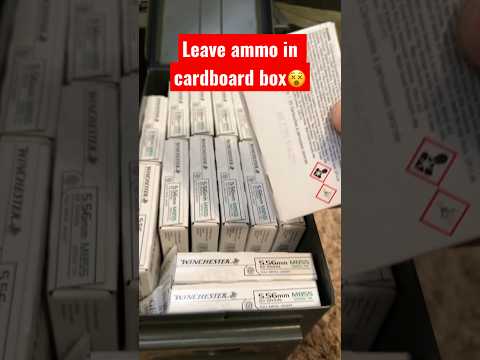
Buying discount ammo in bulk only pays off if you avoid waste through smart storage and handling. First, keep every box sealed in a rigid, waterproof ammo can with a desiccant pack—humidity is the silent killer of 5.56 Ammo for Sale primers and powder. Rotate your stock using a “first-in, first-out” system, so older lots get shot before newer ones degrade. When handling discounted rounds, inspect for corroded brass or loose bullets before loading; a single bad round can jam your magazine and ruin a range day. Also, avoid temperature swings by storing cans in a cool closet, never a hot garage. Finally, don’t toss dented but intact cartridges—they often fire fine. These direct, waste-prevention tactics keep every cheap round reliable and safe.
Rotating Your Stockpile to Avoid Corrosion and Misfires
When buying discount ammo in bulk, rotating your stockpile prevents corrosion and misfires by ensuring older lots are used first. Stored ammunition degrades over time—powder breaks down, primers destabilize, and moisture attacks brass—so a static stash invites failure at the range. Implement a first-in, first-out system: physically place new boxes behind existing ones, and log purchase dates on the packaging. Every 7.62×51 Ammo for Sale three months, inspect the oldest cartridges for green patina on cases or loose bullets, and shoot that batch before it worsens. Avoid opening sealed cans until needed, as humidity exposure accelerates oxidation. By actively cycling rounds, you catch compromised ammunition while it’s still usable, preventing the wasted expense and dangerous duds that come from neglected stock.
Moisture-Proof Containers and Desiccant Packs That Extend Shelf Life
For discount ammo, moisture-proof containers and desiccant packs that extend shelf life form a two-layer defense against corrosion and primer degradation. First, transfer rounds from factory cardboard into airtight polymer cans or metal boxes with rubber gaskets, which block ambient humidity. Second, add silica gel or clay desiccant packs—about 10 grams per 50 rounds—to absorb residual moisture inside the sealed space. Recharge desiccants in a low oven at 200°F for two hours once they change color, as saturated packs actively release water back. The sequence is dry ammo → sealed container → desiccant → cool, dark storage. Check seals quarterly and replace desiccants annually. This method preserves cheap surplus or bulk buys for years, preventing misfires and pressure issues without any specialized equipment.
How to Test a Small Batch Before Buying a Case
Before committing to a full case of discount ammo, always buy a single box first to verify reliability in your specific firearm. Test at least 50 rounds across multiple magazines, checking for failures to feed, eject, or ignite, especially if the lot is unfamiliar or deeply discounted. Shoot from a rested position to assess accuracy potential, and inspect spent casings for bulges, cracks, or primer strikes. Chronograph a few rounds if possible to confirm velocity consistency.
- Cycle the first 10 rounds slowly to spot extraction or feeding hiccups early.
- Mix the test batch with your regular carry ammo to check for point-of-impact shifts.
- Store the opened box for 7 days, then re-test—this reveals humidity or storage-related failures.
Common Questions About Cutting Costs on Ammunition
Wondering if discount ammo is actually safe for range days? Yes—as long as you stick to reputable brands and check for damaged primers or corroded cases before loading. A common question is whether buying in bulk truly saves money, and it does, but only if you calculate cost per round including shipping. Another frequent concern: can you mix discount ammo with premium rounds for carry? Never use discounted or remanufactured rounds for self-defense, as reliability trumps price when your life depends on it. Finally, ask about factory seconds or overrun lots—these are often just cosmetic blemishes, offering serious savings without sacrificing function. Just test a small box first to confirm your firearm cycles them cleanly.
Is It Safe to Shoot Cheap Ammo in High-End Firearms?
Shooting cheap ammo in high-end firearms is generally safe if the cartridge meets SAAMI pressure specs, but the real risk lies in inconsistent manufacturing and debris buildup. Budget rounds often use harder primers or lighter powder charges, which can cause weak cycling in tight-tolerance actions, leaving unburnt powder that fouls gas systems or locks slides. Over time, steel-cased or heavily lacquered ammunition may stick in precision chambers, requiring extra force to extract. However, a quality firearm will not suffer structural damage from low-pressure loads; the danger is more about reliability and accelerated cleaning needs than catastrophic failure. Monitor for stuck cases or erratic ejection—if these appear, switch brands. Overpressure signs like flattened primers are rare with cheap ammo, but inspect each spent case.

- Verify the ammo’s velocity consistency with a chronograph—wild swings indicate sloppy powder metering.
- Clean the chamber and bolt face after every 100 rounds of budget ammunition to prevent carbon rings.
- Test a small batch first for proper slide lock and extraction before trusting it for defensive use.
- Skip aluminum-cased rounds in high-end rifles; their softer rims can tear during ejection.
How Many Rounds Should You Buy in Bulk to Maximize Savings?
To maximize savings, the ideal bulk purchase size depends entirely on your typical consumption rate. For most shooters, buying **500 to 1,000 rounds** per caliber hits the sweet spot, as this volume usually unlocks per-case pricing without overcommitting capital. If you shoot monthly, a 1,000-round case offers the best cost-per-round reduction, while occasional range visits justify a 500-round lot. However, avoid buying more than you can realistically use within 12–18 months, unless you have proper .17 HMR Ammo for Sale dry storage to prevent primer or powder degradation. The true savings threshold emerges when the per-round price stops dropping significantly—often around 1,000 rounds—so compare costs per hundred at 200, 500, and 1,000 to identify your personal break-even point.
Q: How many rounds should you buy in bulk to maximize savings without overspending?
A: Buy 5.7x28mm Ammo for Sale 1,000 rounds if you shoot more than 2,000 rounds annually; otherwise, a 500-round case typically yields 80–90% of the maximum possible discount, with less cash tied up. Always recalculate the per-round price at each tier before committing.
What’s the Best Way to Track Your Shooting Expenses With Discounted Rounds?
Track discounted rounds by logging each purchase in a dedicated spreadsheet column for price-per-round, then sync that data with your range-day count. Use a simple app like Shooting Buddy or a notes template to record lot numbers and sale dates, so you can spot which bulk deals truly lower your cost. Weigh shipping and tax against the sticker price—this gives you accurate cost-per-shot tracking with bulk ammo buys. Review your monthly totals to adjust your next order, ensuring you stock up on discount ammo only when it beats your average baseline.
Log price-per-round, sale dates, and range usage—then compare monthly totals to ensure discounted ammo actually cuts your shooting costs.